


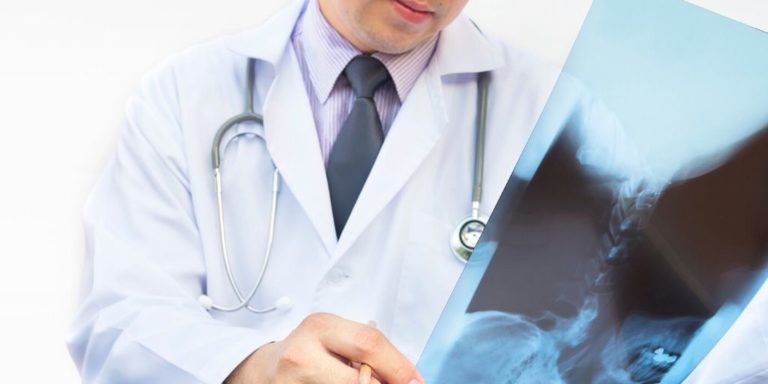
Orthopedics is a line of medical procedure that focuses on the diagnosis, correction, prevention, and treatment of patients with skeletal deformities disorders of the bones, joints, muscles, ligaments, tendons, nerves and skin. These elements make up the musculoskeletal system. In India, you get the best treatment at a lower cost. Get the best doctor and a team of perfect healthcare solutions.
Orthopedic conditions could also be treated by your doctor or other medical specialists and healthcare providers. Several doctors from different medical specialties could also be involved within the treatment at an equivalent time. This approach is vital to manage the symptoms of an orthopedic condition, especially as many symptoms are chronic and alter over time.

Spinal fusion is also known as spondylodesis or spondylosyndesis. This condition is a neurosurgical or orthopedic surgical technique that joins two or more vertebrae. It can be treated and performed at any level in the spine. At places like cervical, thoracic, or lumbar as well which might prevent any movement between the fused vertebrae.
There are many types of spinal fusion and each technique involves using bone grafting either from the patient (autograft), the donor (allograft), or artificial bone substitutes to help the bones heal together. Additional hardware (screws, plates, or cages) is often used to hold the bones in place while the graft fuses the two vertebrae together.
There is more than one type of surgery that is offered under this treatment section. It usually depends on which part of it will the surgery take place. Some of the common ones are as follows:
Also, the spine fusion surgery happens in two-level, level one where it stops at some defined spinal vertebrae and level two where it goes further!
It is a medical condition in which a person’s spine has a sideways curve. There are usually two kinds of shapes of the spine in this condition that is “S” or “C” shaped. Sometimes, the degree of curve is stable, while in others, it increases over time. Mild scoliosis does not typically cause problems, while severe cases can interfere with breathing. Typically, no pain is present.
The treatment depends on the degree of curve, location, and cause. It can include bracing or surgery. The braces must be fitted to the person and used daily until growing stops.
What kind of treatment you will go through depends on the severity of the particular condition. In most cases, proper surgery is needed. In other cases, regular exercises can do great help. For adults, treatment usually focuses on relieving any pain, Painkilling medication, Bracing, Surgery.
This is similar to the idea of what a tumor is. It is an abnormal mass of tissue within or surrounding the spinal cord as well as the spinal column. There are multiplication and uncontrollable growth of these cells. They are unchecked by the mechanisms that control normal cells.
Spinal tumors can be benign (non-cancerous) or malignant (cancerous). Primary tumors originate in the spine or spinal cord, and metastatic or secondary tumors result from cancer spreading from another site to the spine.
Yes, there are three specific groups of tumors, Intradural-Extramedullary, Intramedullary and Extradural:
In the case of Intradural-Extramedullary, it a very common tumor and tumors develop in the spinal cords arachnoid membrane (meningiomas), in the nerve roots that extend out from the spinal cord.
Intramedullary is a tumor growing inside the spinal cord, most frequently occurring in the cervical (neck) region. It is rare, these are congenital tumors most commonly located in the thoracic spinal cord.
Extradural, on the other hand, are lesions are typically attributed to metastatic cancer or schwannomas derived from the cells covering the nerve roots.
Spinal decompression is a surgical procedure intended to remove the pressure on the spinal cord. It can be also from the nerve roots passing through or exiting the spinal column. Decompression of the spinal neural elements is a key component in treating spinal radiculopathy, myelopathy, and claudication.
You might be able to get a good amount of treatment, based on which portion of the spine are we trying to treat. Here are some of those you can find.
In general, the goal of the minimally invasive spine (MIS) surgery is to stabilize the vertebral bones and spinal joints and/or relieve the pressure being applied to the spinal nerves — often a result of conditions such as spinal instability, bone spurs, herniated discs, scoliosis or spinal tumors.
Here is a list of conditions that can be well treated with the help of the mentioned treatment procedure:
The benefits of the treatment are also kept in mind. You have lesser blood loss and you can be prevented from any kind of muscle damage. The better and lesser time required in getting from this particular treatment.
In such treatment, the cushioning of the spine is assured. This inserted disk between the vertebrae works like cushions to allow the vertebrae to rotate and move without the bones rubbing against each other.
The lumbar vertebrae and disks can be found at the spine end. Lumbar disk replacement involves replacing a worn or degenerated disk in the lower part of your spine with an artificial disk made of metal or a combination of metal and plastic.
Most patients can expect an improvement of lower back pain and disability in weeks to months following surgery. Studies show that disk replacement improves, but does not completely eliminate pain. Before your surgery, it is important to talk with your surgeon about realistic expectations for pain relief.
It is a surgery to remove any degenerative disc in the neck. An incision is made in the throat area to reach and remove the disc. A graft is inserted to fuse together the bones above and below the disc.
After the disc is removed, the space between the bony vertebrae is empty. In order to not let the vertebrae collapse and rubbing together, a spacer bone graft is inserted to fill the open disc space. The graft serves as a bridge between the two vertebrae to create a spinal fusion. The bone graft and vertebrae are fixed in place with metal plates and screws.
There is a set of surgical and non-surgical that can opt for in case you go for a particular treatment.
In the case of Surgical Treatment, you have options like:
Myelopathy is an injury to the spinal cord due to severe compression that may result from trauma, congenital stenosis, degenerative disease or disc herniation. The spinal cord is a group of nerves housed inside the spine that runs almost its entire length.
Cervical myelopathy occurs in the neck and is the most common form of myelopathy. Neck pain is one of the symptoms of cervical myelopathy, but not all patients experience it.
Thoracic myelopathy occurs in the middle region of the spine. The spinal cord in this area typically gets compressed due to bulging or herniated discs, bone spurs, or spinal trauma.
Lumbar myelopathy is a rare condition because, in most people, the spinal cord ends in the top section of the lumbar spine. However, if the spinal cord is low-lying or tethered, it can be affected by lumbar myelopathy.
Spinal fusion is a technique used to stabilize the spinal bones or vertebrae. The goal of lumbar fusion is to create a solid bridge of bone between two or more vertebrae. Spinal fusion may be recommended when the natural disc space has decreased or the spine is unstable. Lumbar spinal fusion refers to back surgery during which two or more vertebral segments of the spine are fused together.
There are a number of conditions like the following which can be easily treated with help of this particular treatment:
The knee is the largest joint of the body that carries the whole load or weight of the body and support walking and other moments of the body. Any issue or acute pain in the knee can be uncomfortable and affect the physical movements of the body. The restrictions offered by this part of the body can often be a hindrance to daily activities and routines. The cause of knee pain can be different and also the level of pain can vary. The pain can either be accumulated at a single point or maybe diffused to the entire knee. The cause of the knee pain can be known only after its diagnosis. The diagnosis cannot determine the reason behind the pain, but also you will be able to see the solution by proper consultation with your medical professional. You must never ignore the knee pain as its easily curable in initial stages if ignored for a long time can cause damage to another knee too.
The knee is an essential part of the body, so it needs to be in perfect working condition else it can prove to be chronic. Some of the medical conditions that require without the Knee Replacement Surgery are detailed as follows:
If the pain reaches the maximum level that the patient cannot perform the daily activities precisely.
If the person acquires the swelling or inflammation in the knee due to certain diseases. It includes:
During hip replacement, an operating surgeon removes the damaged sections of your hip joint and replaces them with elements sometimes made of metal, ceramic and extremely arduous plastic. This implant (prosthesis) helps scale back pain and improves function. Also known as total hip surgery, hip replacement surgery is also an option for you if your hip pain interferes with daily activities and more-conservative treatments haven’t helped or are no longer effective. Arthritis injury is the most typical reason to need a hip replacement.
Conditions which will harm the hip joint, typically necessitating hip replacement surgery, including
Sports injury surgery is the last and final treatment option for Common Sports Injuries Conditions There are many injuries that ultimately require surgery for a full recovery. ACL reconstructions, shoulder labral tears, and meniscus tears are just a few sports injuries that may require surgical intervention.
Exercising is good for you, but sometimes you can injure yourself when you play sports or exercise. Accidents, poor training practices or improper gear can cause them. Some people get hurt because they are not in shape. Not warming up or stretching enough can also lead to injuries.
If you get hurt, stop playing. Continuing to play or exercise can cause more harm. Treatment often begins with the RICE (Rest, Ice, Compression and Elevation) method to relieve pain, reduce swelling and speed healing. Other possible treatments include pain relievers, keeping the injured area from moving, rehabilitation and sometimes surgery.
Sports Injury Surgery can be performed for four types of conditions or injuries :
The rotator cuff is a combination of muscles and tendons that link your upper arm bone, the humerus, to your shoulder blades. The rotator cuff also holds your upper arm bone in place in your shoulder socket.
The four muscles of the rotator cuff are the supraspinatus, the infraspinatus, the teres minor, and the subscapularis. Each muscle is connected to the arm bone by a tendon. Rotator cuff repair is the surgery used to repair a tear in one of these tendons.
It’s best to embark on a shoulder strength-training program before you have problems in the first place. Strong shoulders reduce your risk of injury. It’s especially important to strengthen the muscles around your shoulder blades and those on the backs of the shoulders.
If you’ve already injured your rotator cuffs and have been through surgery or other treatment, continually stretching and strengthening your shoulders is important. Ask your doctor or physical therapist on how to develop a strengthening program. This is especially important for people whose hobbies or jobs require repetitive motions that put them at risk for rotator cuff injuries.
If there are a lot of repetitive movements in your job or sport of choice, make sure to take plenty of rest breaks. If you begin to feel any pain, apply a cold pack to the shoulder as soon as possible.
Shoulder replacement surgery involves removing damaged areas of your shoulder and replacing them with artificial parts. The procedure is performed to relieve pain and improve mobility. You might need a shoulder replacement if you have severe arthritis or a fracture in your shoulder joint.
Shoulder replacement surgery is usually recommended for people who have severe pain in their shoulders and have found little or no relief from more conservative treatments.
Some conditions that may require a shoulder replacement include:
A stem cell transplant is a procedure that replaces damaged or affected stem cells with better ones in your bone marrow. It is sometimes called a ‘peripheral blood stem cell transplant’ or a ‘bone marrow transplant’. Most stem cell transplants nowadays use stem cells collected from the bloodstream. We refer to both as ‘stem cell transplants’ in the rest of our information.
There are chances that a high chemotherapy dose might also destroy the cells in the bone marrow. Hence, this treatment is opted at its best.
A stem cell transplant allows you to be treated with a higher dose of chemotherapy than you would usually be able to have because it replaces the stem cells damaged by chemotherapy. A stem cell transplant helps you to be treated with even a higher dose of chemotherapy than you would usually be able to have. This replaces the stem cells damaged by chemotherapy. There are three major kinds of Lymphoma that are treated which are:
Hematopoietic cell transplantation (HCT) is the only treatment that offers reasonable control for a cure for thalassemia at this time. HCT relies on high-dose chemotherapy to eliminate thalassemia-producing cells in the marrow. It replaces them with healthy donor cells from bone marrow or umbilical cord blood. It is usually taken from a human-leukocyte antigen (HLA) match: an identical sibling.
This therapy should be chosen by all the patients who have a suitable donor. Early referral to a transplant center is recommended, as HCT has a better outcome in younger patients.
There are some risk factors that are needed to pay attention to. This makes the treatment a necessary condition for some, these factors are:
Since HLA-matched sibling transplantation in healthy thalassemia patients offers a very high cure rate, stem cell options for families without matched siblings are being studied. Most patients do not have an HLA-matched sibling. Experimental trials with unrelated, matched umbilical cord blood or stem cell transplantation are being conducted. Alternative immunosuppressive preparations and therapy are being studied to decrease graft-versus-host disease and improve graft survival. Pregnant mothers of affected children are more frequently undergoing prenatal diagnosis for thalassemia and determining a fetal HLA typing on the prenatal sample.
A bone marrow transplant (BMT) is a treatment for children. They are diagnosed usually with certain types of cancer or other diseases. The goal of BMT is to replace a child’s diseased bone marrow with healthy bone marrow. The major objective of BMT is to establish healthy bone marrow cells into a person after his or her own unhealthy bone marrow has been eliminated.
There are certain conditions that are supposed to be met by the child before they are recommended BMT. A child suffering from diseases like Leukemia, Aplastic anemia, and sickle cell anemia. Also, it can include those who need replacement of bone marrow after high doses of chemotherapy or radiation are given to treat cancer.
Every child has to get through these 5 important stages of BMT. These include:
1- Fill the inquiry form. 2- Your query will be shared with respective doctors and hospitals. 3- Within 48 hours, we will get back to you. 4- Scheduling a video call with a concerned doctor and staff. 5- After the consultation, you will be receiving the estimated cost of your treatment.